National Contingency Plan for Emergency Response Being Developed for the National Red Crescent Society of Turkmenistan
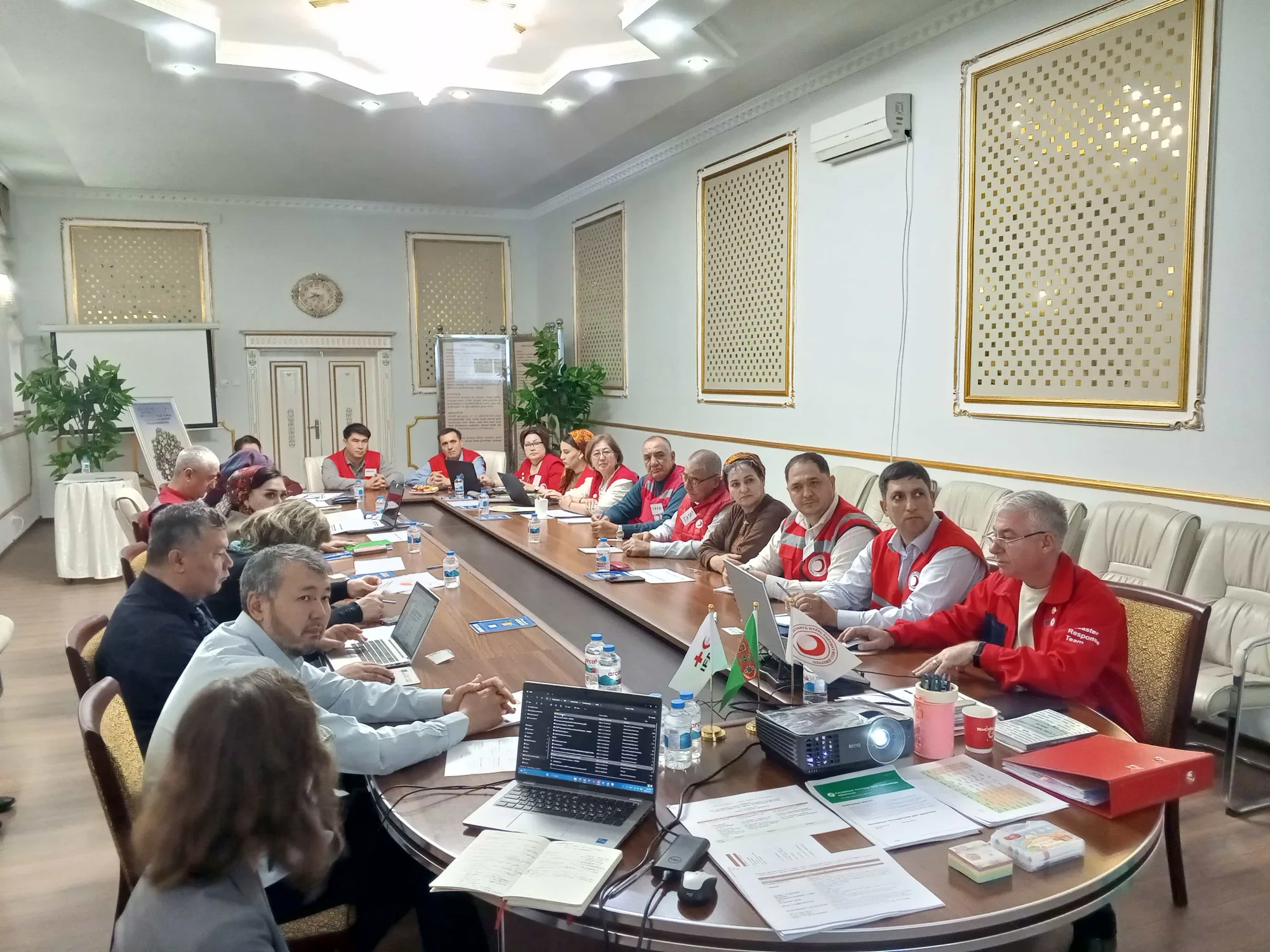
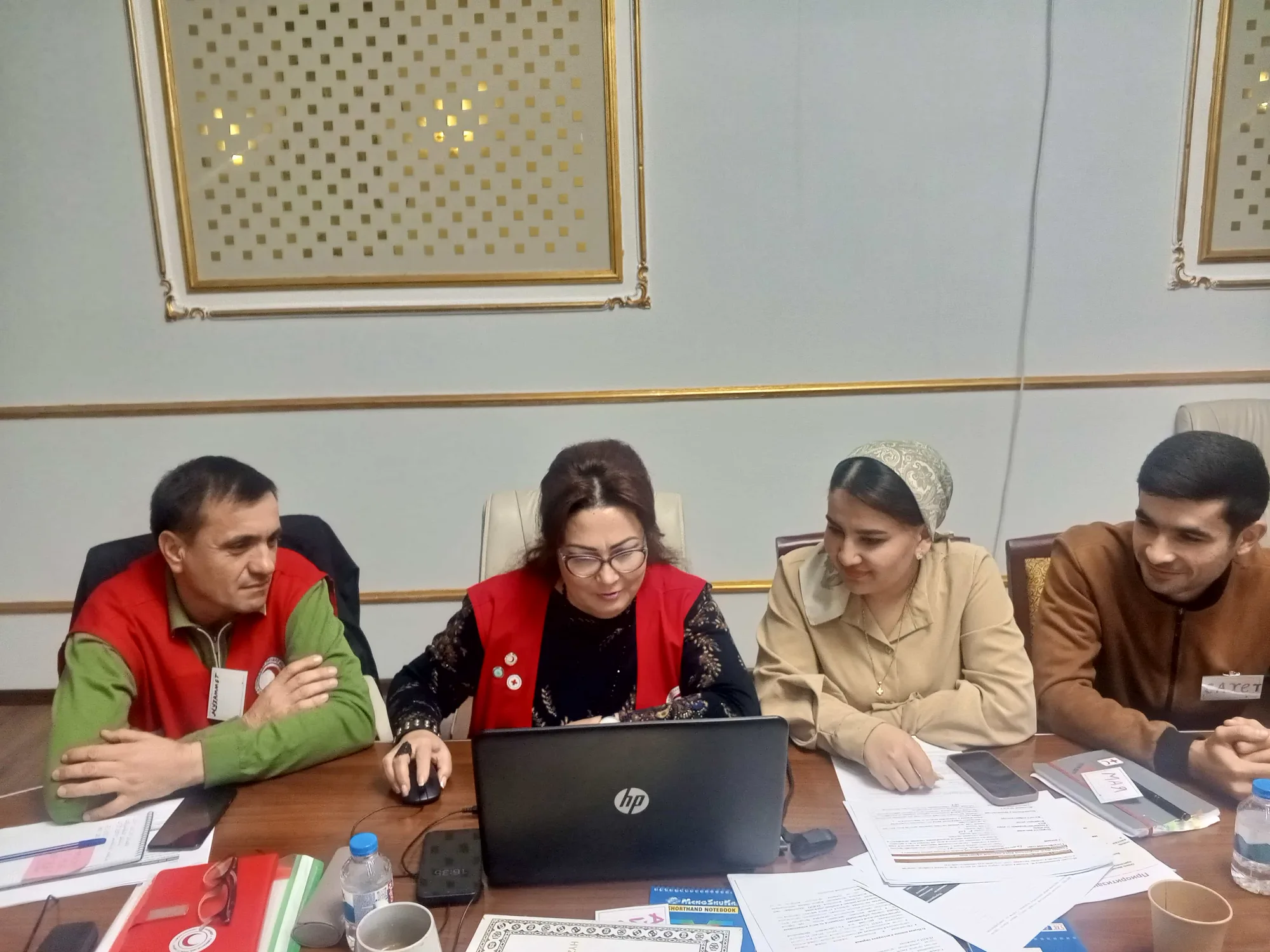
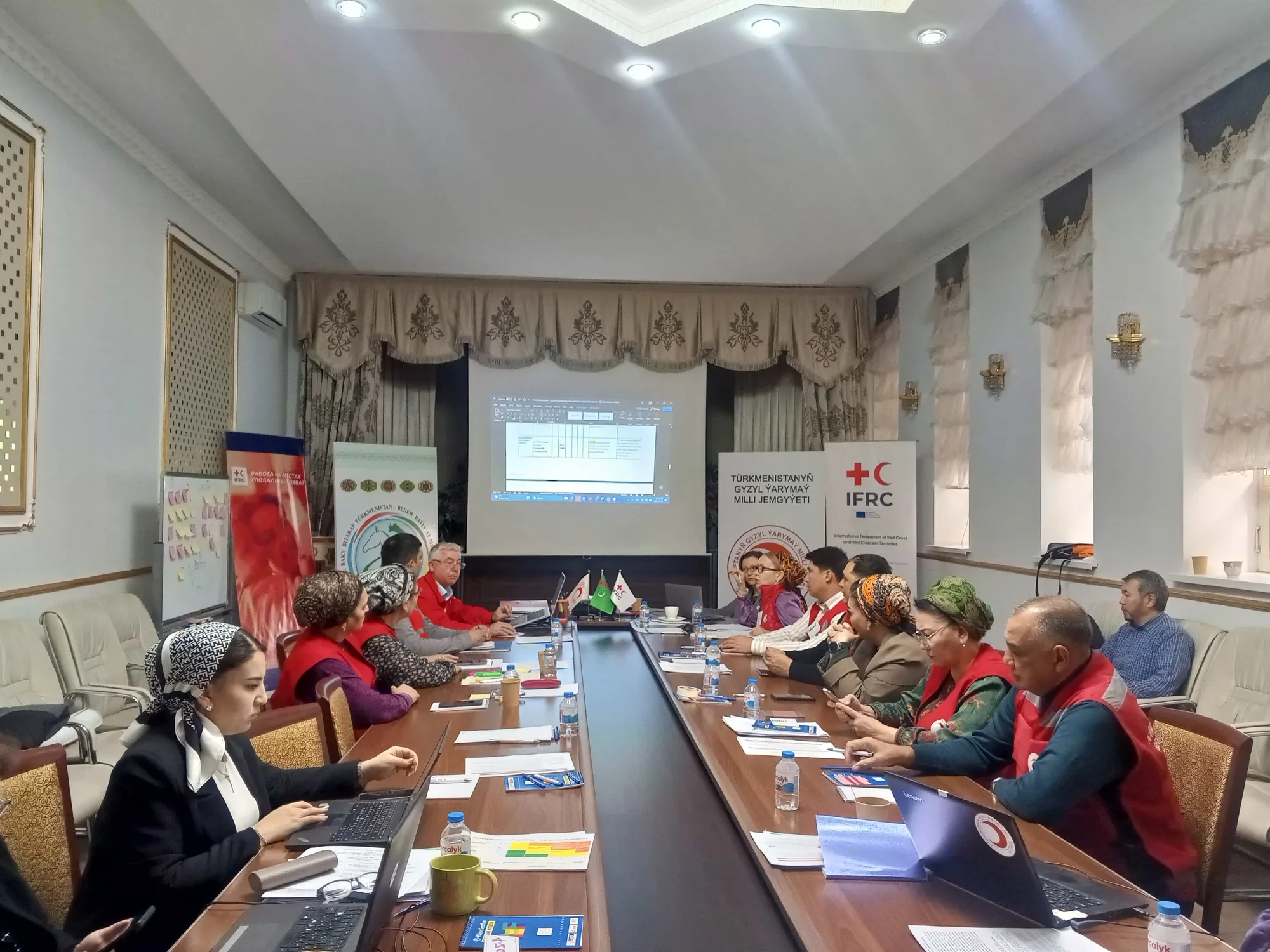
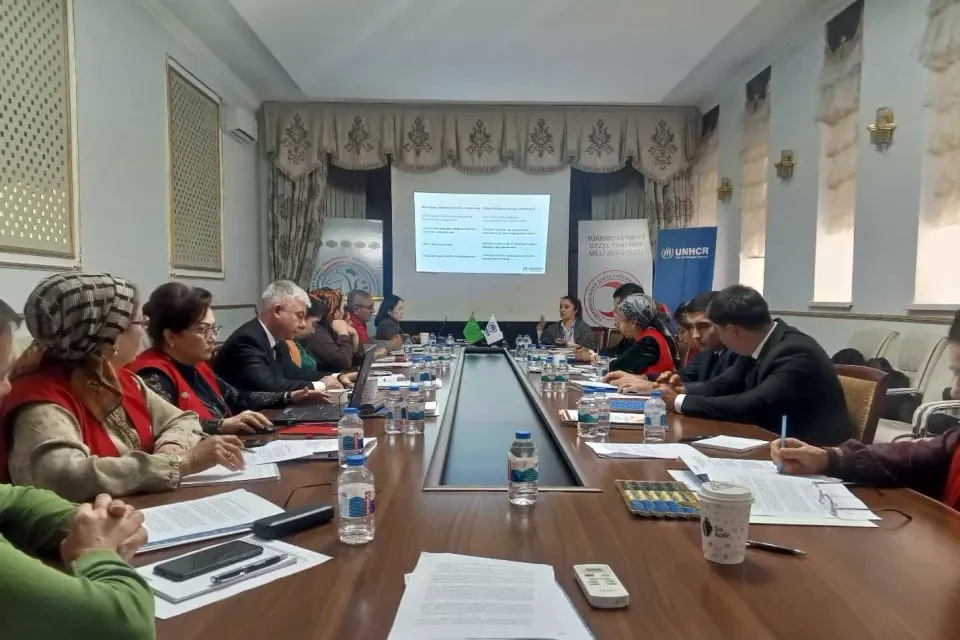
Ashgabat, November 20. From November 16 to 20, 2026, a five-day working seminar is taking place at the Headquarters in the capital of Turkmenistan to develop the National Contingency Plan of the National Red Crescent Society of Turkmenistan (NRCST) for multi-hazard emergencies. The event is organized in accordance with the 2026–2028 Cooperation Plan between the International Federation of Red Cross and Red Crescent Societies (IFRC), the Government of Turkmenistan, and the NRCST. The seminar is held within the framework of the HIP (Humanitarian Implementation Plan) project titled "Strengthening Institutional Capacity in Disaster and Crisis Preparedness for Effective Response in Central Asia," with financial support from the European Commission's Department for Humanitarian Aid and Civil Protection (ECHO), and with the assistance of the IFRC and the Canadian Red Cross. Leading specialized experts are serving as facilitators for the training: Nurlan Jumaliyev — Programme Manager, IFRC Country Cluster Delegation for Central Asia;Alfiya Sorokina — Senior Advisor for Disaster Risk Management (DRM), Emergency Preparedness, and International Cooperation (Canadian Red Cross);Amangeldi Gapbarov — Programme Coordinator / Liaison Officer, IFRC Country Office in Turkmenistan.
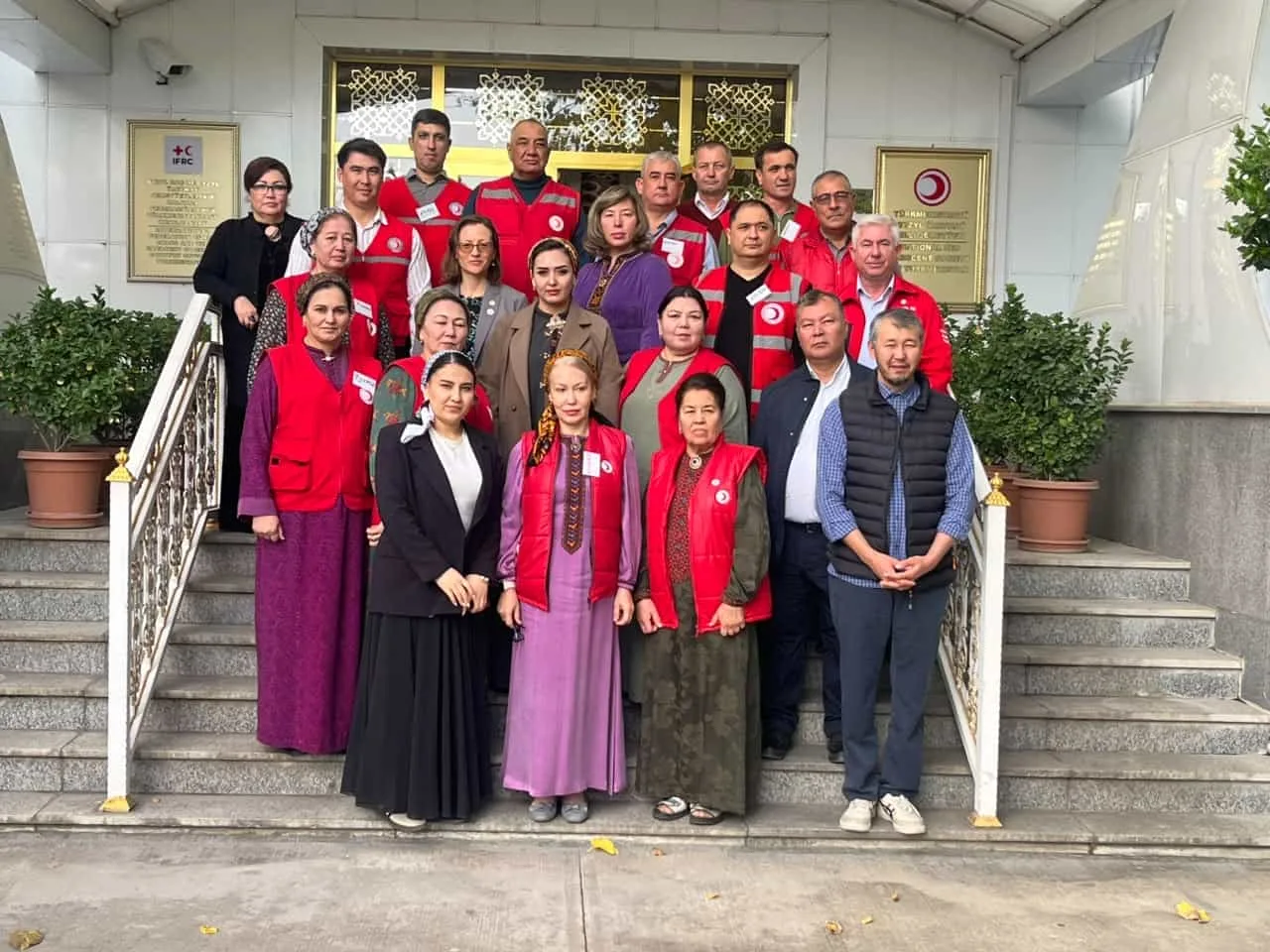
The seminar brings together staff from the NRCST Headquarters and velayat branches, as well as representatives of the Main Directorate of Civil Defense and Rescue Operations of the Ministry of Defense of Turkmenistan. This joint effort enables the synchronization of actions between the humanitarian organization and state services in response to emerging realities and emergencies caused by natural or man-made hazards. To ensure consistency and build upon existing foundations, the working group is reviewing current emergency response plans, standard operating procedures (SOPs), and response structures. The scope of work also includes: facilitating in-country working meetings with Headquarters technical staff to validate risk and hotspot analyses, confirm the selection of priority hazards, and consolidate draft scenarios and operational plans in alignment with the National Society’s mandate, auxiliary roles, and national and regional disaster management priorities; Reviewing and approving the emergency response structure, contingency plan activation triggers, and National Society preparedness priorities; Developing a draft contingency plan with provisions to refine its structure and content based on the outcomes of the working sessions and reviews; Defining the target reach, priority sectors of intervention, and key geographic considerations based on the national risk context; facilitating a validation workshop with relevant Headquarters staff, selected branch representatives, and partners to review the proposed content of the contingency plans, gather feedback, and ensure organizational buy-in.
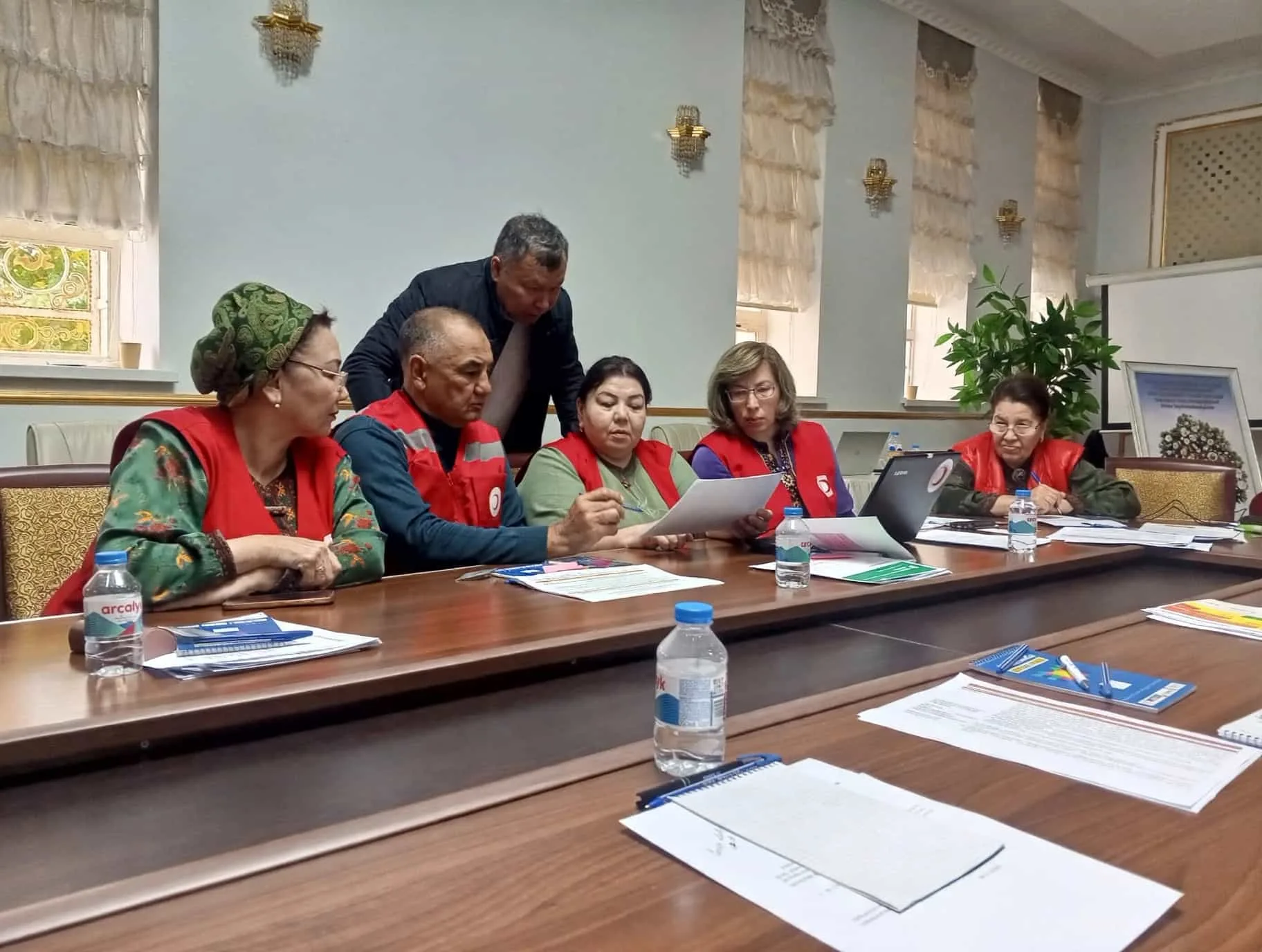
Mission completion: finalizing outcome documentation and preparing the draft contingency plan for the NRCST to review and approve the emergency response structure, plan activation triggers, and National Society preparedness priorities. During practical sessions, participants assess country- and region-specific risks, simulate scenarios for the rapid deployment of humanitarian aid, and establish clear algorithms for coordination—in their capacity as an auxiliary organization—with state structures, components of the International Red Cross and Red Crescent Movement, and partners from the international community. The five-day seminar will culminate in a draft NRCST National Contingency Plan, which will enhance the Society's readiness to respond effectively to crises and strengthen its capacity as a reliable auxiliary partner to the state in the humanitarian sphere.